Where to see kiwi and penguins on the West Coast
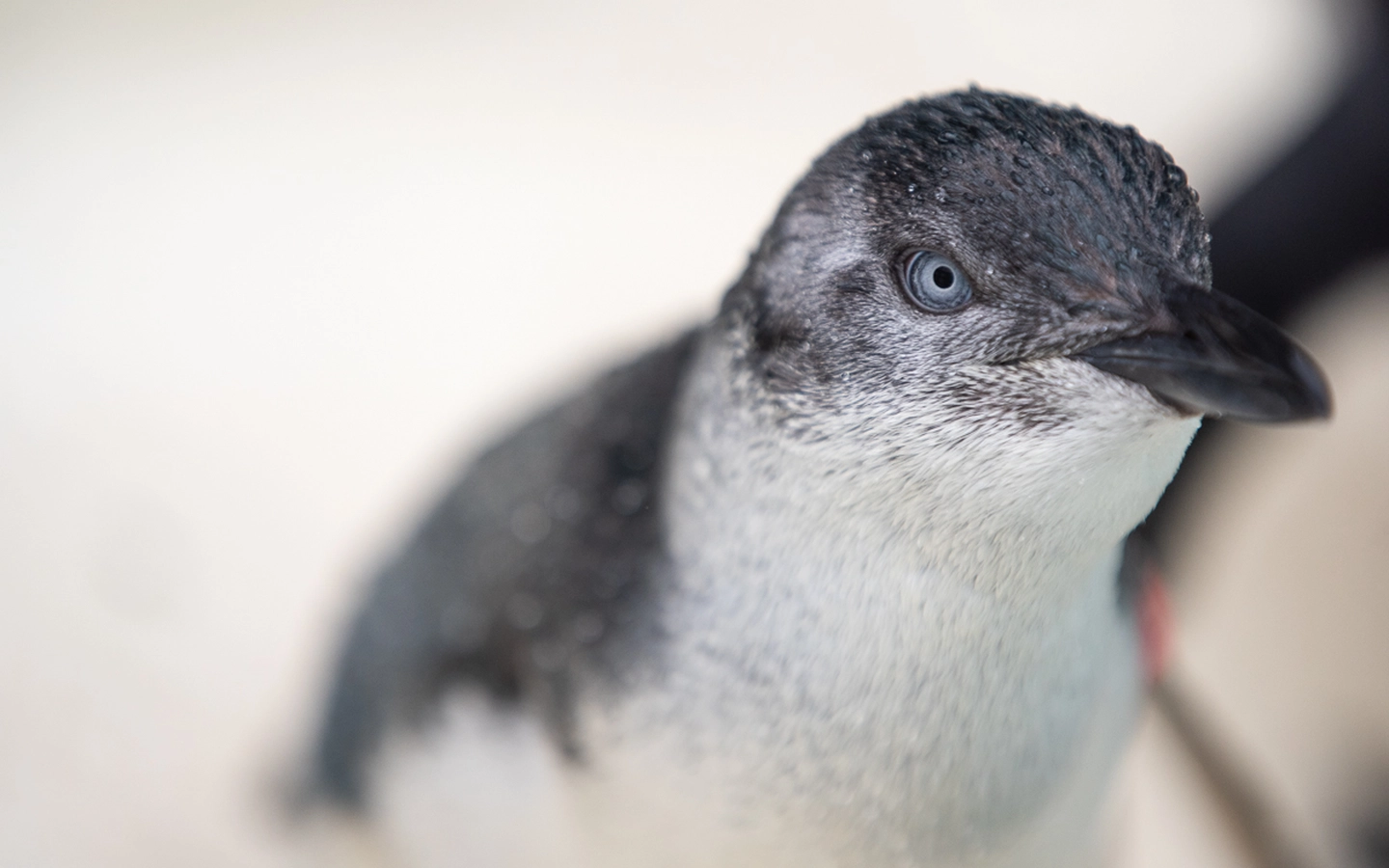
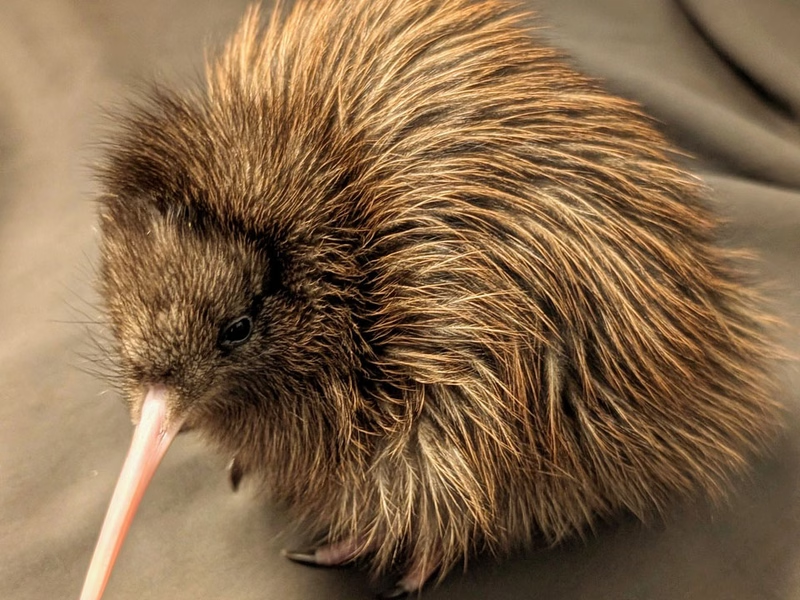
The West Coast Wildlife Centre in Franz Josef is the only place where you can see kiwi and penguins in one stop, rain or shine: you will see North Island Brown Kiwi in the nocturnal house at the moment, and rescued kororā at the Ambassador Penguin Encounter. In the wild, kiwi are rarely seen and penguins come ashore by season, so here's what to expect from each.
Kiwi at the Centre
The Centre keeps two of the rarest kiwi on Earth. Rowi live only in Ōkārito forest, north of Franz Josef, and Haast tokoeka live only in the mountains of South Westland near Haast. Both are critically endangered. The Centre's hatchery incubates the Haast tokoeka eggs and raises the chicks until they're big enough to fend off stoats; then they go back to the wild. You can read how it works in Operation Nest Egg and in the story of this season's Haast tokoeka chicks.
Penguins at the Centre
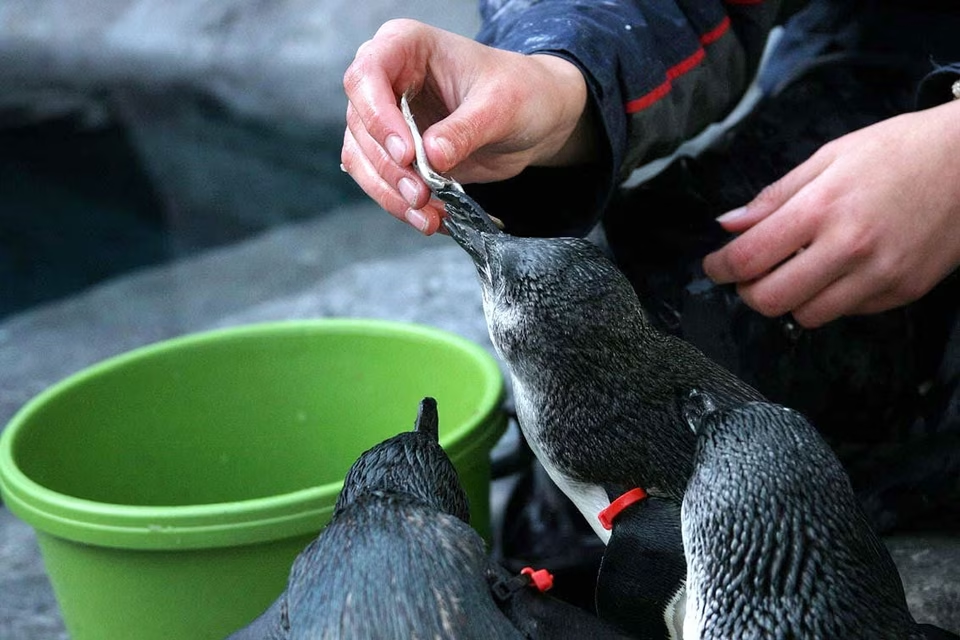
The kororā, or little blue penguins, at the Ambassador Penguin Encounter were rescued and can't return to the wild, so they live here with care for life. They're fed twice a day, and both feedings are part of admission. The Centre has also cared for a tawaki, a Fiordland crested penguin: read about Taumaka the tawaki.
Seeing both in one visit
About two hours covers kiwi, kororā and tuatara. Add the VIP tour to see the hatchery where the kiwi are raised.
-
10am
Inside the kiwi hatchery (VIP tour, optional)
About 40 minutes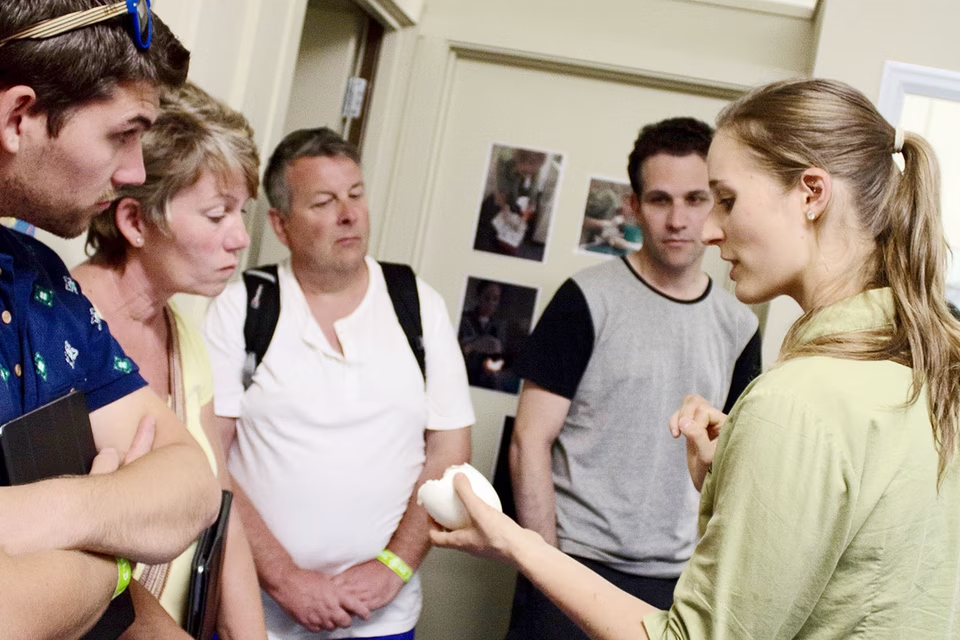 Book the VIP Backstage Pass Tour
A Kiwi Ranger takes a small group behind the scenes, where Haast tokoeka eggs are incubated and the chicks are raised for release. Depending on the season, you may see eggs or chicks in care, but the birds' needs come first, so nothing is promised. The tour also brings you closer to the tuatara, with a ranger to explain them.
-
11am
Kororā feeding
 Meet the kororā
Kororā are the smallest penguins in the world. The birds at the Ambassador Penguin Encounter were rescued and can't survive in the wild, and at feeding time the keepers tell their stories. Photos are welcome here.
-
Late morning
Kiwi in the nocturnal house
30–45 minutes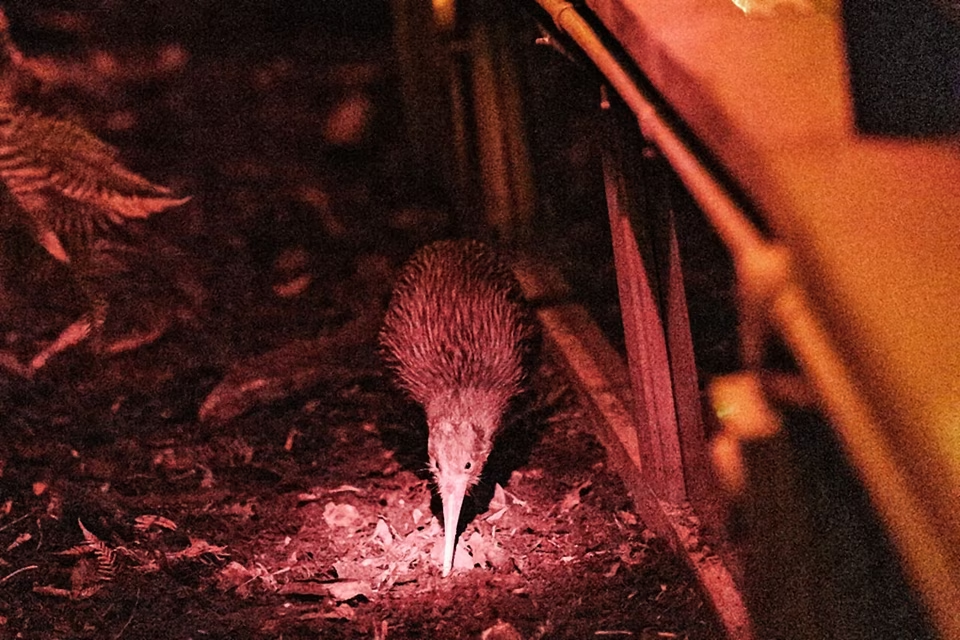 Meet the kiwi
The nocturnal house turns day into night, so you see the kiwi awake and foraging, with no glass between you. Give your eyes time to adjust and keep your voice low. Photos aren't allowed in this one area, because the birds are active in the dim light.
-
Before you leave
Tuatara
15 minutes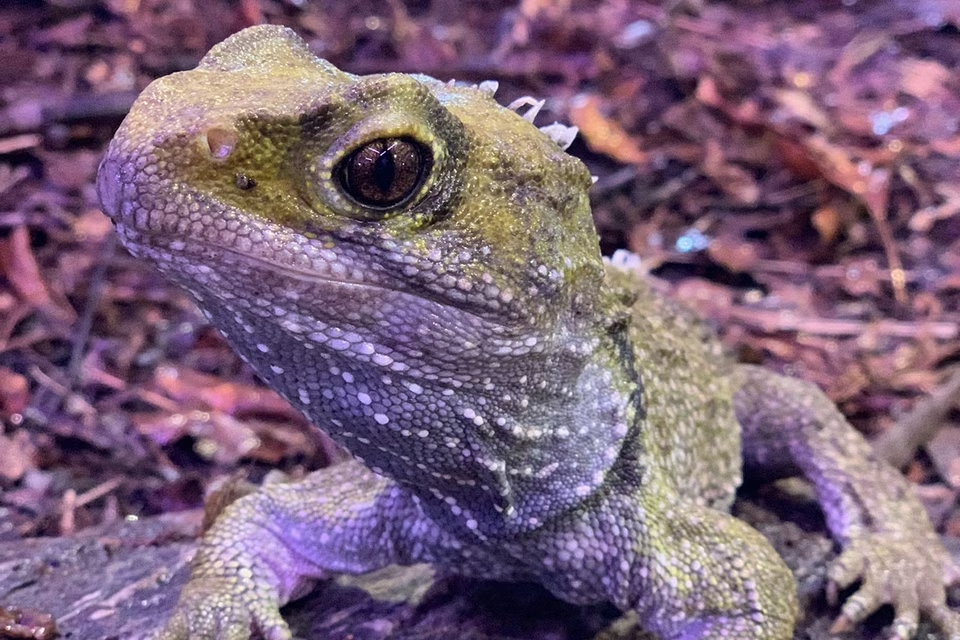 Meet the tuatara
Not a bird, but too good to miss. Tuatara are the last survivors of a group of reptiles that lived alongside the dinosaurs, and they're found only in New Zealand. Look for them basking still in their habitat.
More at the Centre
Your ticket covers more than the birds. The same visit takes in the glacier attraction, on how the Franz Josef and Fox glaciers formed and why they are retreating, and the West Coast Māori storytelling areas, on the bond between the land, its wildlife and its people. Every ticket is a 48-hour pass, so you can come back for a second feeding, or another look at the kiwi, the next day.
Seeing kiwi and penguins in the wild
Kiwi
Rowi live only in Ōkārito forest. They're nocturnal, shy and few, so a wild sighting is rare even for people who live here. Your best chance is at night with an experienced local guide, and even then nothing is certain. Never shine a bright light at a kiwi or try to approach one.
Tawaki, the Fiordland crested penguin
Tawaki come ashore to breed in the coastal rainforest of South Westland, and Lake Moeraki and Monro Beach, south of Franz Josef, are the places people see them, in their breeding season from late winter into spring. Keep well back, stay quiet, and never stand between a penguin and the sea.
Kororā
Kororā come ashore after dark along parts of the coast. If you see one, keep your distance, don't use a flash, and keep dogs on a lead.
DOC's guidance applies everywhere: give wildlife space, never feed it, and leave nests alone. The Centre is the reliable way to see kiwi and penguins in one stop, in any weather, and in daylight.
More Franz Josef guides
Frequently Asked Questions
Can you see kiwi in the wild on the West Coast?
It's possible but rare. Rowi live only in Ōkārito forest and are nocturnal and shy, so the best chance is at night with an experienced local guide. The Centre's nocturnal house is the reliable way to see them.
Where can I see penguins on the West Coast?
Tawaki, the Fiordland crested penguin, come ashore around Lake Moeraki and Monro Beach in their breeding season, from late winter into spring, and kororā come ashore after dark along parts of the coast. At the Centre you can see rescued kororā every day. More in our kiwi and penguins guide.
Which kiwi species can I see?
The critically endangered rowi and Haast tokoeka, two of the rarest kiwi on Earth.
Can I photograph the kiwi?
No. The nocturnal kiwi house is the only area of the Centre where photography is not permitted, because the birds are active in dim light. Photography is welcome everywhere else.
Will I definitely see a kiwi chick on the tour?
We cannot guarantee a chick sighting, because kiwi conservation rules come first. You will still get behind-the-scenes access to the hatchery and tuatara, and the Kiwi Ranger will share details about the conservation work.